
Giới thiệu: Doanh thu hàng triệu đô la bị mất đi vì bụi
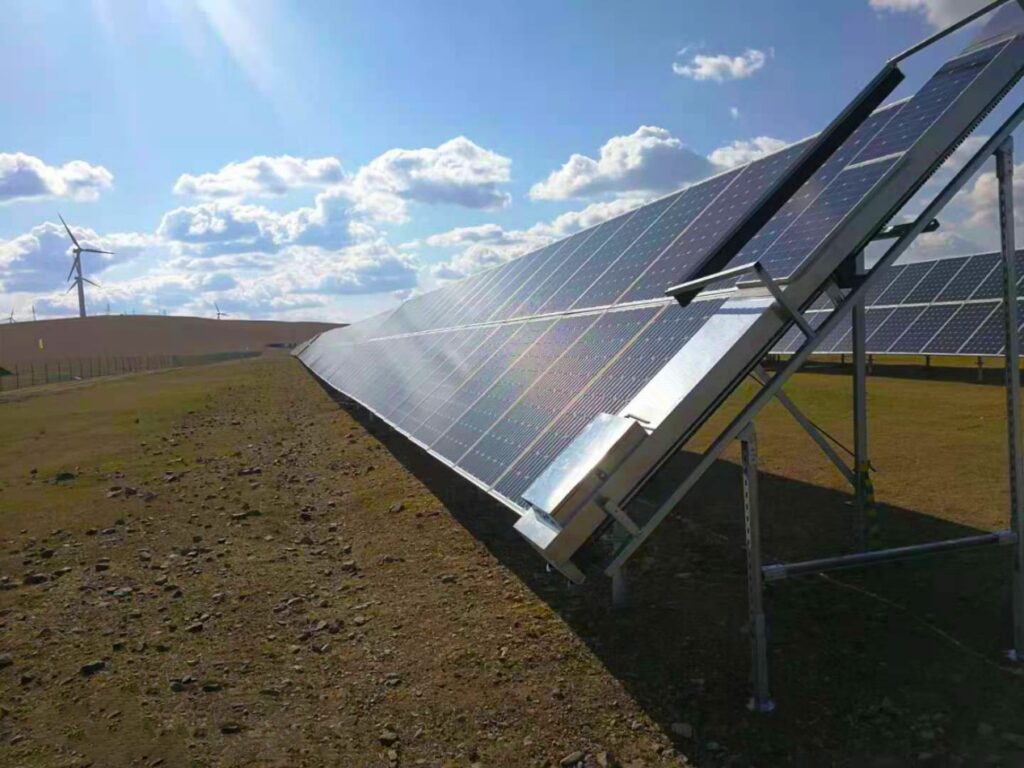
1. “Kẻ trộm” thầm lặng: Sự thất thoát năng lượng mặt trời thường bị bỏ qua
Tích tụ bụi – Kẻ thù số một của hiệu suất phát điện
- Dữ liệu chắc chắn: Lớp bụi dày 5% có thể khiến công suất đầu ra giảm tới 20% (Phòng thí nghiệm NREL, 2023). Các cơ chế bao gồm:
- Cản trở quang học: Bụi làm tán xạ ánh sáng mặt trời, làm giảm độ truyền sáng.
- Hiệu ứng điểm nóng: Bụi bẩn tại chỗ khiến nhiệt độ vượt quá 80°C, làm gia tăng quá trình lão hóa và thậm chí gây ra hỏa hoạn.
Tác động cộng hưởng từ nhiều nguồn ô nhiễm
| Loại chất gây ô nhiễm | Cơ chế gây hại | Chu kỳ hư hỏng điển hình |
|---|---|---|
| Phân chim/Nhựa cây | Sự ăn mòn do axit đối với vật liệu laminate EVA | Tách lớp sau 3 tháng |
| Bụi công nghiệp | Tạo lớp phủ cứng | Hiệu suất của 15% giảm sau 6 tháng |
| Bão cát | Làm trầy xước bề mặt kính | Thiệt hại 5% mỗi cơn bão |
Công thức tính thiệt hại kinh tế: Thiệt hại về năng lượng = Thiệt hại tài chính trực tiếp
Tổng tổn thất hàng năm = Công suất lắp đặt (MW) × Số giờ nắng tại địa phương × Giá điện (Nhân dân tệ/kWh) × Tỷ lệ tổn thất
*Ví dụ: Nhà máy điện 10 MW ở miền Đông Trung Quốc (Thời gian chiếu sáng hàng năm 1.200 giờ, giá 0,8 nhân dân tệ/kWh)*
*Nếu tỷ lệ tổn thất là 25% → Tổn thất hàng năm = 10 × 1200 × 0,8 × 25% = 2,4 triệu nhân dân tệ.*
2. Giải pháp: Hiểu về công nghệ robot làm sạch năng lượng mặt trời
Định nghĩa và sự phát triển
Robot làm sạch chuyên dụng cho các hệ thống quang điện là một trạm vận hành không người lái được trang bị hệ thống thị giác trí tuệ nhân tạo, cảm biến môi trường và các mô-đun làm sạch thích ứng, với dự báo số lượng lắp đặt trên toàn cầu sẽ tăng 67% vào năm 2024 (Báo cáo của BloombergNEF).
Ma trận công nghệ cốt lõi
| Mô-đun | Giải pháp công nghệ | Các tình huống áp dụng |
|---|---|---|
| Hệ thống huy động | Hệ thống định vị bằng đường ray từ tính/GPS với độ chính xác đến từng centimet | Nhà máy theo dõi một trục phẳng |
| Mô-đun làm sạch | Bàn chải hút áp suất âm + sương nước siêu mịn | Chậu cây đặt trên mái dốc |
| Quản lý năng lượng | Hệ thống quang điện tự sạc + tụ điện siêu tụ | Các khu vực chưa có lưới điện |
3. Năm lợi thế cốt lõi: Tại sao robot lại là sự lựa chọn tất yếu?
- 19%-34% Tăng công suất đầu ra: Trạm Neom của Ả Rập Xê Út đã chứng minh rằng việc vệ sinh bằng robot hàng tháng giúp tăng sản lượng hàng năm lên 29%.
- 60% Giảm chi phí vận hành:
Mục chi phí Vệ sinh thủ công Người máy Chi phí vệ sinh đơn lẻ 2 nhân dân tệ/m² 0,4 nhân dân tệ/m² Phí bảo hiểm 120.000 nhân dân tệ/năm cho công việc ở vùng cao 0 nhân dân tệ Tài nguyên nước 100 lít/MW 8 lít/phút - 100% Loại bỏ các rủi ro an toàn: Hoàn toàn ngăn ngừa được các vụ ngã từ độ cao và tai nạn điện (781 trường hợp trong tổng số các vụ tai nạn tại các nhà máy điện mặt trời trên toàn cầu vào năm 2024 là do hoạt động vệ sinh gây ra).
- Kéo dài tuổi thọ linh kiện thêm 3–5 năm: Công nghệ làm sạch bằng áp lực liên tục giúp giảm thiểu các vết nứt ẩn và tỷ lệ hỏng hóc trong quá trình kiểm tra EL (trường hợp hệ thống quang điện thông minh của Huawei).
- Trung tâm điều hành thông minh:
- Cài đặt đường dẫn làm sạch từ xa (Ứng dụng/Trang web)
- Cảm biến mưa sẽ tự động kích hoạt chế độ làm sạch
- Phân tích dữ liệu sản xuất điện
4. Trận đối đầu quyết định: Mô hình kinh tế robot so với vệ sinh thủ công
| Kích thước | Robot vệ sinh | Vệ sinh thủ công |
|---|---|---|
| Đầu tư ban đầu | 30.000 nhân dân tệ/chiếc | 0 (Dịch vụ gia công) |
| Tổng chi phí trong 10 năm | Khoảng 1,2 triệu nhân dân tệ | Khoảng 4,5 triệu nhân dân tệ |
| Chu kỳ ROI | 14 tháng (Thương mại) | Không được trả lại |
| Tăng thế hệ | +25% Trung bình hàng năm | +8% (1 tuần sau khi làm sạch) |
Ví dụ về cách tính tỷ suất hoàn vốn (ROI)
Giá mua robot: 30.000 nhân dân tệ
Tiết kiệm hàng năm từ việc làm sạch và tăng sản lượng: 420.000 Nhân dân tệ
Thời gian hoàn vốn = 30.000 / 420.000 ≈ 0,71 năm
Từ năm thứ ba trở đi, lợi nhuận ròng hàng năm bắt đầu tăng lên.
5. Giải đáp thắc mắc: 5 câu hỏi mà hầu hết khách hàng quan tâm
Câu hỏi 1: Robot có làm hỏng các bộ phận không?
▶️ Sản phẩm sử dụng lông chổi làm từ sợi siêu mịn đạt tiêu chuẩn NASA (lực ép <5N) và đã đạt chứng nhận chống PID theo tiêu chuẩn IEC 61215.
Câu hỏi 2: Thiết bị này xử lý địa hình phức tạp như thế nào?
▶️ Thiết bị này có khả năng hoạt động linh hoạt trên các mặt dốc có độ nghiêng lên đến 30° và có thể vượt qua các khe hở rộng 15 cm giữa các bộ phận (xem video giới thiệu sản phẩm).
Câu hỏi 3: Có thể sử dụng công nghệ này trong các nhà máy điện ở sa mạc không?
▶️ Trường hợp dự án tại Dubai: Chế độ bão cát cho phép thực hiện vệ sinh tự động hàng ngày, bảo vệ các bộ phận chuyển động thông qua hệ thống lọc cát.
Câu hỏi 4: Chi phí bảo trì cao đến mức nào?
▶️ Chỉ cần thay đầu bàn chải mỗi quý một lần (chi phí dưới 2.000 nhân dân tệ), kèm theo dịch vụ chẩn đoán sự cố từ xa.
Câu hỏi 5: Làm thế nào để tôi có thể đánh giá xem nó có phù hợp với nhà máy điện của tôi không?
▶️ ↓ Nhận ngay giải pháp được thiết kế riêng cho bạn ↓
Kết luận: Nắm bắt thế chủ động trong kỷ nguyên vận hành hệ thống quang điện 3.0
Khi chi phí năng lượng bình quân (LCOE) của các nhà máy điện trở thành yếu tố cạnh tranh cốt lõi, Các robot dọn dẹp đã vượt ra khỏi vai trò của một công cụ đơn thuần, trở thành những hệ thống mang lại lợi ích thiết thực. Họ thực hiện điều này bằng cách:
- Giảm thiểu mức tổn thất điện năng hàng năm vượt quá 25%
- Tiết kiệm 60% trong chi phí hoạt động
- Tránh phải chịu trách nhiệm pháp lý lên đến hàng triệu đô la do tai nạn an toàn
Biến những khó khăn trong hoạt động thành động lực thúc đẩy tăng trưởng lợi nhuận.
Kêu gọi hành động: Ba bước để khởi động cuộc cách mạng làm sạch thông minh
- 🔥 Ưu đãi có thời hạn: 20 khách hàng đầu tiên sử dụng dịch vụ tư vấn sẽ được tặng miễn phí Báo cáo đánh giá hiệu quả hoạt động (bao gồm đánh giá chính xác tỷ suất hoàn vốn).
- 📥 Tải xuống Báo cáo chuyên đề về công nghệ làm sạch hệ thống quang điện toàn cầu → Nắm vững 8 chỉ số quan trọng để lựa chọn robot.
- 📞 Đặt lịch khảo sát thực địa với kỹ sư → Nhận Kế hoạch dùng thử không rủi ro.
“Vấn đề không phải là tăng chi phí, mà là ngăn chặn việc sụt giảm lợi nhuận.” – Hãy để từng tia nắng mặt trời biến thành lợi nhuận cho tài khoản của bạn!