
Rail solar panel cleaning robots are specialized automated cleaning devices designed to operate on fixed tracks installed on photovoltaic arrays. They achieve efficient, full coverage cleaning of large, multi-row solar modules by moving along pre-laid guiding rails. Compared to non-tracked or handheld devices, their operational path is precise and the level of automation is high, making them particularly suitable for large ground power stations and complex rooftop arrangements.
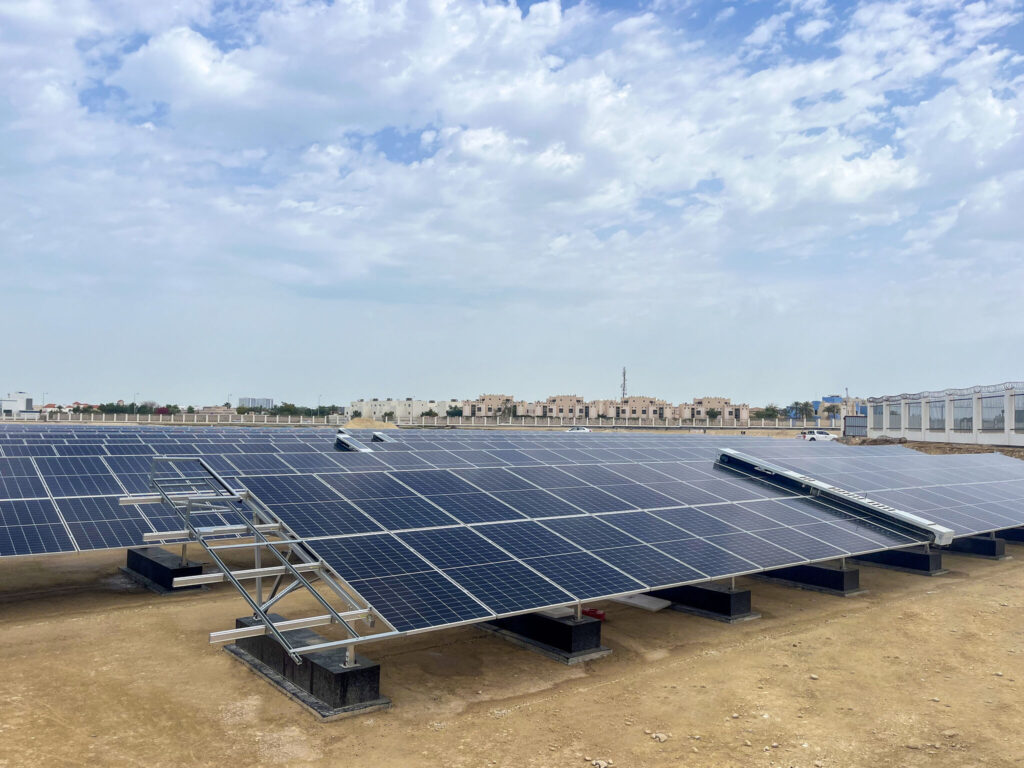
Rail cleaning robot for solar panels Advantages and Working Principles
The core advantages lie in their high reliability and fully automated coverage. The track system provides precise navigation for the robot, ensuring that the cleaning brushes or cleaning devices closely adhere to the surface of the solar panels, effectively removing dust, sand, bird droppings, and other contaminants. According to a study, the conversion efficiency of cleaned solar panels can increase from 12.16% to 13.72%.
This type of robot typically employs dry brushes, wet brushes, or vacuum suction as cleaning methods. A key design element is the guiding rail system; components like the Zhixin Hang BWC roller track feature dust-resistance, self-cleaning, high and low temperature endurance (-70°C to +260°C), and splash-proof characteristics, allowing them to withstand the harsh outdoor environments of photovoltaic power stations. Some rail designs utilize rollers with V-slots or R-slots that pair with specially designed tracks to achieve smooth, long-distance operation (up to 500 meters).
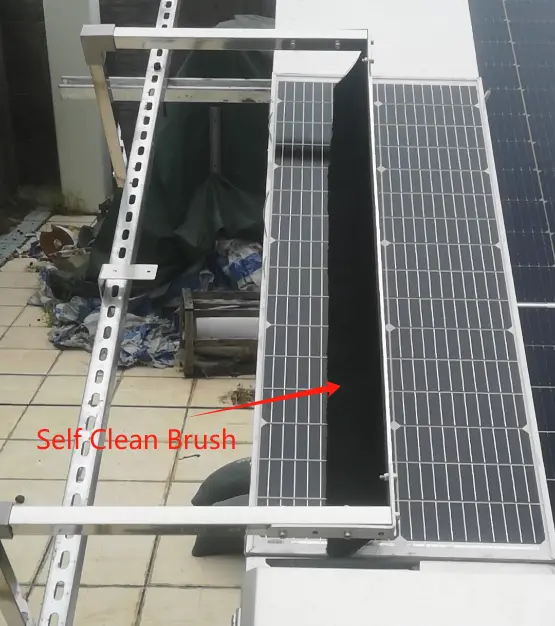
Technical Standards and Key Performance
China has implemented relevant group standards to regulate these products, such as the T/ZZB 2602-2021 Track-Based Intelligent Cleaning Robots for Photovoltaic Modules and the T/JSREA 3003-2024 Operational Specifications for Photovoltaic Module Cleaning Robots. These standards clearly define their key performance indicators:
- Operational Speed: The cleaning operational speed should exceed 6 meters per minute.
- Battery Life: When fully charged, it should have a continuous working capacity of not less than 3 hours.
- Cleaning Effectiveness: The dust removal rate at a 30° angle should be no less than 90%.
- Environmental Adaptability: The working environmental temperature is generally required to be between -20°C to 60°C (not intended for use in freezing conditions) and suitable for areas below an altitude of 5000 meters.
- Safety Requirements: Must include fall protection. Advanced designs implement multiple high-sensitivity sensors at the front and back of the robot to achieve 360° blind spot-free monitoring. Once the edge of the panel is detected, the braking and reverse retraction program is immediately activated. Additionally, safety features like overcurrent protection and limit protection are included.
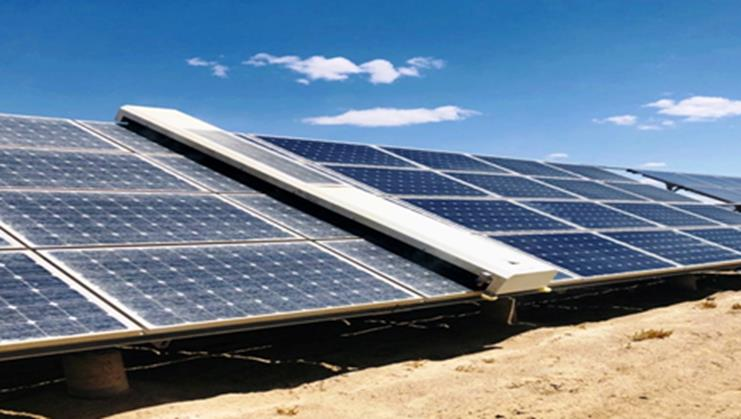
Todos Automatic Solar Cleaning system
Cleaning distance:1600~3000m;
Battery:24V/16Ah;
Panel power:55W;
Brush:Non-dust flexible material PA610;
Obstacle crossing angle:≤22°;
Environment temperature:(-30℃~70℃);
Level of Protection:IP65;
Walking speed:12m/min;
Cleaning mode:Dry cleaning;
Control mode:Internet remote control + App control+ manual control.
Market Prospects and Driving Factors
The track-based cleaning robot market is experiencing rapid growth. A market research report predicts that by 2031, the global market value of track-based solar panel cleaning robots will reach $2.519 billion, with an expected annual compound growth rate of 17.6% from 2025 to 2031. The driving forces primarily stem from the continuous increase in global photovoltaic installed capacity and the urgent demand from power station owners to improve power generation efficiency and reduce operational costs. Dust accumulation can lead to an annual average decrease in power generation efficiency of over 6%, making regular cleaning a necessity rather than an option.
Design Challenges and Solutions
Despite their clear advantages, design challenges must also be considered. Studies indicate that the pressure and vibrations generated during robot operation may negatively affect the solar panels and their mounting structures, potentially impacting component lifespan over the long term. To address this issue, some research has suggested designs equipped with multiple suspension units to mitigate vibrations transferred to the panels during motion and cleaning actions. Additionally, further optimization of the structure to reduce weight, enhance obstacle-crossing capabilities (such as bridging gaps between components), and integrate intelligent sensing (like dust detection sensors) for on-demand cleaning remains a direction for technological development.
In summary, rail cleaning robot for solar panels have become an essential tool for enhancing power generation revenue and reducing long-term operational costs in large-scale photovoltaic power station maintenance through their automation, high reliability, and compliance with standards. With ongoing technological advancements and cost optimizations, their application prevalence is expected to further increase.