
Resumen de puntos
Las principales certificaciones obligatorias de acceso al mercado incluyen Certificación CE en la Unión Europea (que abarca las directivas LVD, EMC, RED y RoHS), el Certificación FCC en Estados Unidos (con UL/ETL siendo un requisito necesario para los grandes compradores, aunque no legalmente obligatorio), y la Certificación UKCA en el Reino Unido. En Oriente Próximo, el GCC/G-Mark certificación, y el mercado saudí se adhiere a la nueva SABER sistema de certificación. Los principales mercados de la región Asia-Pacífico son Certificación KC en Corea del Sur y Certificación TELEC en Japón (para dispositivos inalámbricos). Además, deben tenerse en cuenta los requisitos generales transregionales, en particular que las baterías de litio incorporadas deben pasar ONU 38,3 las pruebas de seguridad en el transporte y, si se trata de tecnología de navegación láser, el cumplimiento de las normas de seguridad láser pertinentes, como las de la FDA/CDRH en Estados Unidos.
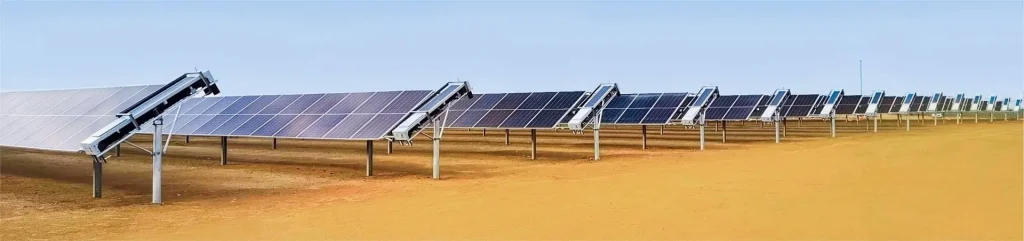
1. Requisitos de certificación del robot de limpieza de paneles solares
Los siguientes puntos resumen las principales certificaciones obligatorias y las consideraciones clave para los principales mercados de exportación. Para una aplicación precisa, consulte los últimos anuncios oficiales de cada país, ya que la normativa puede actualizarse en cualquier momento.
Unión Europea (UE)
- Certificación obligatoria básica: Certificación CE
Principales directivas y requisitos (no es una lista exhaustiva, sólo aspectos esenciales):
- LVD (Directiva de Baja Tensión): Seguridad eléctrica, normas comunes como la serie EN 60335.
- EMC (Directiva de Compatibilidad Electromagnética): Garantiza que el equipo no interfiere con los dispositivos circundantes y puede soportar interferencias electromagnéticas externas.
- RED (Directiva sobre equipos radioeléctricos): Si el dispositivo integra funciones inalámbricas como Wi-Fi o Bluetooth, debe cumplir los requisitos pertinentes para equipos inalámbricos.
- RoHS: Restricciones al uso de sustancias nocivas, centradas en el cumplimiento de la normativa medioambiental y de salud humana.
Nota: CE es la “señal de entrada” al mercado europeo, que exige la realización de las evaluaciones técnicas pertinentes, la documentación técnica y las declaraciones de conformidad.
Estados Unidos
- Certificación obligatoria básica: Certificación FCC
Principales requisitos y descripciones:
- Certificación/Declaración de la FCC (si el dispositivo tiene capacidad de transmisión inalámbrica, suele requerir una identificación de la FCC; si carece de transmisión inalámbrica, puede utilizar el método de autodeclaración SDoC de la FCC).
- Certificación UL/ETL: Aunque no es legalmente obligatoria, suele considerarse un umbral crítico de seguridad y calidad en el acceso al mercado y la contratación, y los grandes compradores suelen exigirla.
- Proposición 65 de California: Si el producto se vende en California, debe proporcionar advertencias públicas y divulgaciones de cumplimiento pertinentes en relación con sustancias nocivas.
Reino Unido (UK)
- Certificación obligatoria básica: Certificación UKCA
Descripción: Tras el Brexit, UKCA se ha convertido en la marca de acceso al mercado para el Reino Unido. Los requisitos técnicos son similares a los de la CE, pero deben ser evaluados por un organismo reconocido en el Reino Unido; Irlanda del Norte sigue teniendo algunos supuestos que requieren coordinación con la CE.
Oriente Medio (por ejemplo, Arabia Saudí, EAU)
- Certificación obligatoria básica: GCC/G-Mark (Certificación regional de seguridad)
El último camino para el mercado saudí (descripción ilustrativa, debe remitirse a la información oficial para más detalles):
- Certificación SABER (actualmente el nuevo sistema de certificación en línea que prevalece en el mercado saudí y que sustituye gradualmente a la antigua vía SASO).
- Los requisitos relacionados con SABER a menudo implican Certificados de Conformidad de Producto (PCoC) y Certificados de Conformidad de Envío (SCoC), con procedimientos específicos según los anuncios oficiales saudíes.
Nota: Puede haber ligeras diferencias entre los países de la región del CCG; las empresas deben formular planes basados en los requisitos específicos del país de destino.
Región Asia-Pacífico
Entre las certificaciones representativas típicas se incluyen:
- Corea del Sur: Certificación KC (certificación de seguridad obligatoria que cubre seguridad, CEM, etc.)
- Japón: Certificación TELEC (relacionada con los dispositivos inalámbricos; Japón tiene requisitos claros de certificación para los equipos de comunicación inalámbrica).
- Pakistán: Certificado COC (Certificado de Conformidad) + Informe de Inspección Previa al Embarque (PSI) (las combinaciones específicas deben basarse en los requisitos del importador/agencia y en las actualizaciones normativas).
Nota: Los niveles de aceptación de las “transferencias de certificados” varían según el país; algunos mercados permiten las transferencias basadas en certificaciones internacionales existentes, pero las entidades locales deben participar en el proceso.
2. Otras certificaciones y consideraciones importantes
Además de las certificaciones regionales obligatorias mencionadas anteriormente, las siguientes certificaciones y consideraciones generales son igualmente cruciales y no deben pasarse por alto:
Certificación de seguridad de baterías y energía
- Los dispositivos con baterías de litio incorporadas suelen tener que superar las pruebas UN 38.3 para garantizar la seguridad del transporte aéreo.
- Otras normas de seguridad para baterías son la IEC 62133 y la UL 2054/UL 62133 (en función de la composición química específica de la batería y de las condiciones de uso).
Certificación internacional de sistemas de gestión de la calidad
- Aunque no es un requisito obligatorio para ningún producto específico, la obtención de la certificación ISO 9001 puede aumentar significativamente la confianza de los compradores y ayudar a conseguir grandes clientes y una cooperación a largo plazo.
Función específica Certificaciones adicionales (por ejemplo, navegación por láser)
- Si el robot utiliza un radar láser (LDS) y componentes de navegación similares, debe prestarse atención a las normativas de seguridad láser cuando se exporte a Estados Unidos, lo que suele implicar las normativas y clasificaciones/informes pertinentes de la FDA/CDRH para productos láser, así como el posible cumplimiento de la norma IEC 60825-1.
- Los distintos mercados tienen requisitos diferentes para los dispositivos láser, que exigen un diseño y una declaración de conformidad según la normativa del mercado de destino.
Otras certificaciones regionales y sectoriales
- Algunos mercados tienen requisitos adicionales de certificación medioambiental, energética o de sostenibilidad para dispositivos eléctricos/electrónicos específicos que deben tenerse en cuenta en la fase inicial de desarrollo.
3. Cumplimiento de los productos y recomendaciones de estrategia de mercado
“Planificación de la certificación ”Una región, una estrategia
- Evite el enfoque de “talla única”. Antes de entrar en un nuevo mercado, asegúrese de conocer la normativa más reciente del país o región, para evitar costosos rediseños debidos a cambios normativos.
- Por ejemplo, los sistemas de certificación en Oriente Medio están cambiando rápidamente (como la plena implantación de SABER en Arabia Saudí), lo que requiere información actualizada.
Certificaciones básicas como “billetes” de mercado”
- Para los mercados de la UE y EE.UU., las certificaciones CE y FCC suelen considerarse criterios básicos esenciales. La falta de estas certificaciones básicas suele dificultar el despacho de aduanas y la entrada en el mercado.
- Certificaciones como UL y GS pueden servir como mejoras en algunos mercados, pero no son requisitos estrictos para entrar en ellos.
Utilización de certificados de transferencia y organismos locales
- En determinados mercados (como Corea del Sur y Arabia Saudí), es posible realizar certificaciones de transferencia basadas en certificaciones internacionales existentes para acortar plazos y reducir costes.
- Es importante aclarar que los solicitantes de determinadas certificaciones regionales deben estar afiliados a importadores o agentes registrados localmente, por lo que es esencial asegurarse pronto socios locales fiables.
Integración de las normas nacionales chinas en los sistemas de investigación y calidad
- Las normas nacionales pueden servir de punto de partida para el diseño de productos y el control de calidad. Algunos ejemplos son:
- GB/T 44264-2024 “Condiciones técnicas generales para Robots de limpieza fotovoltaicos”
- T/JSREA 3003-2024 “Especificaciones operativas para robots de limpieza fotovoltaica”
- La realización de investigaciones y pruebas con arreglo a normas estrictas suele sentar unas bases sólidas para una futura certificación internacional.
4. Camino práctico hacia la aplicación
- Paso 1: Identificar los mercados destinatarios y establecer prioridades
- Determinar los mercados clave a corto y medio y largo plazo, evaluar el tamaño del mercado, las preferencias de compra, los principales competidores y los posibles riesgos de cumplimiento.
- Paso 2: Lista de certificaciones obligatorias básicas y calendario
- Definir las certificaciones obligatorias para cada mercado objetivo (por ejemplo, CE, FCC, UKCA, KC, TELEC) y las certificaciones de mejora opcionales. Elaborar un calendario por fases y un presupuesto de recursos.
- Paso 3: Socios de certificación y recursos locales
- Seleccionar organizaciones de ensayo cualificadas, organismos reconocidos y agencias/importadores locales, estableciendo evaluaciones de viabilidad y planes de aplicación para las certificaciones de transferencia.
- Paso 4: Alinear los sistemas de investigación y documentación
- Incorporar los requisitos de conformidad en el diseño de los productos, los planes de ensayo y la documentación técnica (fichas técnicas, evaluaciones de riesgos, manuales de usuario, conformidad de las etiquetas, etc.).
- Paso 5: Divulgación previa y formación
- Impartir formación sobre conformidad a los equipos de ventas, asistencia técnica y posventa en el extranjero para garantizar que la instalación in situ, la puesta en marcha y los servicios posventa cumplen la normativa local.
- Paso 6: Cumplimiento y actualizaciones continuas
- Establecer un mecanismo de supervisión reglamentaria para seguir con prontitud los cambios reglamentarios, evitando las repeticiones de trabajo debidas a actualizaciones reglamentarias que puedan obstaculizar el acceso al mercado.
5. Autocomprobación rápida y lista de comprobación de medidas (resumen)
- ¿He enumerado claramente el mercado objetivo y sus certificaciones obligatorias?
- ¿Conozco los últimos requisitos CE, FCC, UKCA, KC, TELEC de cada mercado?
- ¿Existe una persona designada responsable de actualizar las últimas novedades sobre SABER, SASO, G-Mark, etc.?
- ¿He incluido en la fase de desarrollo del nuevo producto elementos básicos de conformidad, como el láser, la seguridad y las pilas?
- ¿He establecido una asociación a largo plazo con organismos/instituciones de ensayo locales?
- ¿Dispongo de plantillas de documentación y materiales de formación para garantizar una comprensión uniforme del cumplimiento entre los equipos técnicos, de ventas y posventa?
- ¿He establecido procesos de seguimiento y actualización de la normativa para responder a los riesgos de costes y plazos derivados de los cambios normativos?