
บทนำ: รายได้ล้านดอลลาร์ที่สูญเสียไปกับฝุ่น
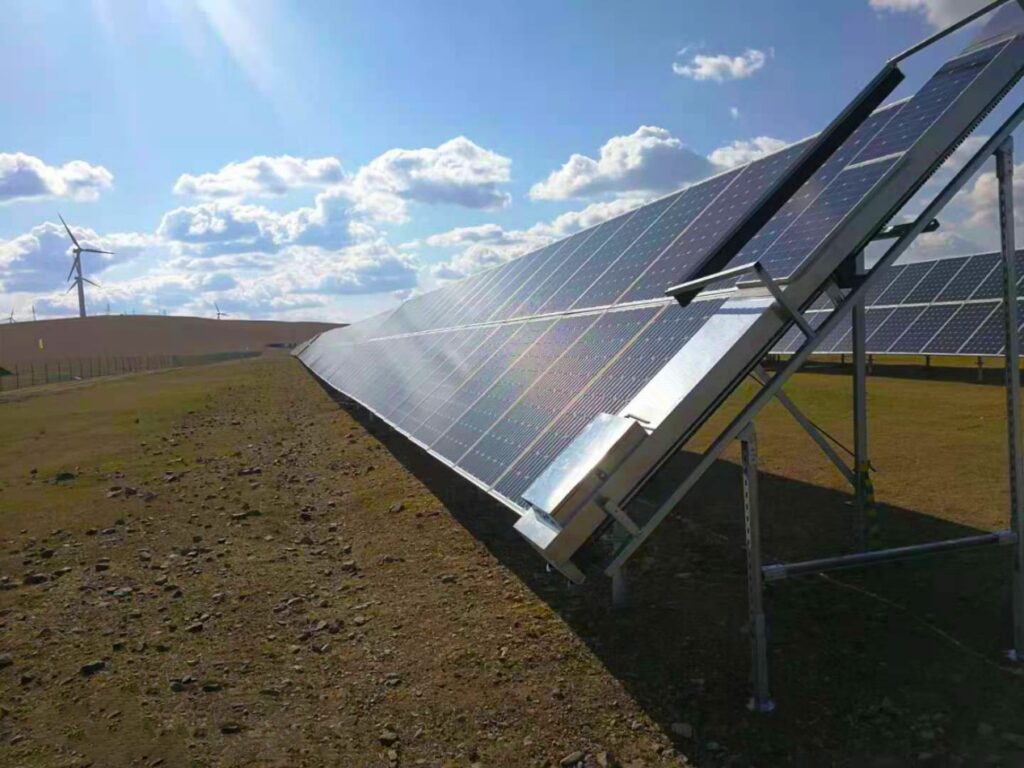
1. “โจรเงียบ”: การสูญเสียพลังงานแสงอาทิตย์ที่ถูกละเลย
การสะสมของฝุ่น – ศัตรูหมายเลขหนึ่งของประสิทธิภาพการผลิต
- ข้อมูลที่เชื่อถือได้: การปกคลุมด้วยฝุ่นขนาด 5% สามารถทำให้กำลังการผลิตไฟฟ้าลดลงได้สูงสุดถึง 20% (ห้องปฏิบัติการ NREL, 2023) กลไกที่เกี่ยวข้องได้แก่:
- การกีดขวางทางสายตา: ฝุ่นกระจายแสงอาทิตย์ ทำให้การส่งผ่านแสงลดลง.
- ปรากฏการณ์ฮอตสปอต: ดินในท้องถิ่นทำให้อุณหภูมิสูงเกิน 80°C ซึ่งเร่งการเสื่อมสภาพและอาจทำให้เกิดไฟไหม้ได้.
ความเสียหายแบบเสริมฤทธิ์จากแหล่งมลพิษหลายทาง
| ประเภทของมลพิษ | กลไกการก่อให้เกิดอันตราย | วงจรความเสียหายทั่วไป |
|---|---|---|
| มูลนก/ยางไม้ | การกัดกร่อนจากกรดของแผ่นลามิเนต EVA | การลอกตัวของชั้นวัสดุในระยะเวลา 3 เดือน |
| ฝุ่นอุตสาหกรรม | รูปแบบการแข็งตัวของสารเคลือบ | ประสิทธิภาพลดลง 15% ในระยะเวลา 6 เดือน |
| พายุทราย | ขูดผิวแก้ว | สูญเสีย 5% ต่อพายุ |
สูตรการสูญเสียทางเศรษฐกิจ: การสูญเสียพลังงาน = การสูญเสียทางการเงินโดยตรง
การสูญเสียประจำปี = กำลังการผลิตติดตั้ง (MW) × จำนวนชั่วโมงแสงอาทิตย์ในท้องถิ่น × ราคาไฟฟ้า (หยวน/กิโลวัตต์ชั่วโมง) × อัตราการสูญเสีย
*ตัวอย่าง: โรงไฟฟ้า 10 เมกะวัตต์ ในภาคตะวันออกของจีน (แสงแดดเฉลี่ยต่อปี 1,200 ชั่วโมง ราคา 0.8 หยวน/กิโลวัตต์ชั่วโมง)*
*หากอัตราการสูญเสียคือ 25% → การสูญเสียรายปี = 10 × 1200 × 0.8 × 25% = สองล้านสี่แสนหยวน.*
2. ทางออก: การเข้าใจเทคโนโลยีของหุ่นยนต์ทำความสะอาดพลังงานแสงอาทิตย์
คำนิยามและวิวัฒนาการ
หุ่นยนต์ทำความสะอาดเฉพาะทางสำหรับระบบโฟโตโวลตาอิกเป็น ศูนย์ปฏิบัติการไร้คนขับ ติดตั้งระบบวิสัยทัศน์ AI, เซ็นเซอร์สิ่งแวดล้อม และโมดูลทำความสะอาดแบบปรับได้ โดยคาดว่าจะมีการติดตั้งทั่วโลกเพิ่มขึ้น 67% ในปี 2024 (รายงาน BloombergNEF).
เมทริกซ์เทคโนโลยีหลัก
| โมดูล | โซลูชันเทคโนโลยี | สถานการณ์ที่สามารถใช้ได้ |
|---|---|---|
| ระบบการระดมพล | การนำทางด้วยรางแม่เหล็ก/ระบบ GPS ระดับเซนติเมตร | โรงงานติดตามแบบแกนเดียวแบน |
| โมดูลการทำความสะอาด | แปรงดูดแรงดันลบ + ละอองน้ำไมโคร | พืชบนหลังคาลาดเอียง |
| การจัดการพลังงาน | โฟโตโวลตาอิกส์ชาร์จตัวเอง + ซุปเปอร์คาปาซิเตอร์ | พื้นที่ที่ไม่มีสัญญาณไฟฟ้า |
3. ข้อได้เปรียบหลักห้าประการ: ทำไมหุ่นยนต์จึงเป็นทางเลือกที่หลีกเลี่ยงไม่ได้?
- 19%-34% เพิ่มกำลังการส่งออก: สถานี Neom ของซาอุดีอาระเบียได้แสดงให้เห็นว่าการทำความสะอาดด้วยหุ่นยนต์รายเดือนช่วยเพิ่มผลผลิตต่อปีได้ 291 TP3T.
- 60% การลดต้นทุนการดำเนินงาน:
รายการต้นทุน การทำความสะอาดด้วยมือ หุ่นยนต์ ค่าทำความสะอาดครั้งเดียว 2 หยวน/ตารางเมตร 0.4 หยวน/ตารางเมตร ค่าธรรมเนียมประกันภัย 120,000 หยวน/ปี สำหรับการทำงานในพื้นที่สูง 0 หยวน ทรัพยากรน้ำ 100 ลิตรต่อเมกะวัตต์ 8 ลิตร/เมกะวัตต์ - 100% การกำจัดความเสี่ยงด้านความปลอดภัย: หลีกเลี่ยงการตกจากที่สูงและอุบัติเหตุทางไฟฟ้าได้อย่างสมบูรณ์ (อุบัติเหตุจากการทำความสะอาดในโรงงานพลังงานแสงอาทิตย์ทั่วโลกในปี 2024 มีจำนวน 78%).
- การขยายอายุการใช้งานของชิ้นส่วน 3-5 ปี: เทคโนโลยีการทำความสะอาดด้วยแรงดันคงที่ช่วยลดรอยร้าวที่มองไม่เห็นและลดอัตราการล้มเหลวในการทดสอบ EL (กรณีศึกษาพลังงานแสงอาทิตย์อัจฉริยะของหัวเว่ย).
- ศูนย์ปฏิบัติการอัจฉริยะ
- การตั้งค่าเส้นทางทำความสะอาดระยะไกล (APP/เว็บ)
- เซ็นเซอร์ฝนจะสั่งให้ทำความสะอาดโดยอัตโนมัติ
- การวิเคราะห์เชื่อมโยงข้อมูลการผลิตพลังงาน
4. การประลองครั้งสุดท้าย: หุ่นยนต์ vs. การทำความสะอาดด้วยมือ โมเดลเศรษฐกิจ
| มิติ | หุ่นยนต์ทำความสะอาด | การทำความสะอาดด้วยมือ |
|---|---|---|
| การลงทุนเริ่มต้น | 30,000 หยวน/หน่วย | 0 (บริการเอาท์ซอร์ส) |
| ค่าใช้จ่ายรวมตลอด 10 ปี | ประมาณ 1.2 ล้านหยวน | ประมาณ 4.5 ล้านหยวน |
| วงจรผลตอบแทนจากการลงทุน | 14 เดือน (เชิงพาณิชย์) | ไม่รับคืน |
| การเพิ่มจำนวน | +25% ค่าเฉลี่ยรายปี | +8% (1 สัปดาห์หลังทำความสะอาด) |
ตัวอย่างการคำนวณผลตอบแทนจากการลงทุน
ราคาซื้อหุ่นยนต์: 30,000 หยวน
การประหยัดรายปีจากการทำความสะอาด + การเพิ่มการผลิต: 420,000 หยวน
ระยะเวลาคืนทุน = 30,000 / 420,000 ≈ 0.71 ปี
เริ่มตั้งแต่ปีที่ 3 กำไรสุทธิรายปีจะเพิ่มขึ้น.
5. การแก้ไขปัญหา: 5 คำถามที่ลูกค้าส่วนใหญ่สนใจ
คำถามที่ 1: หุ่นยนต์จะทำลายชิ้นส่วนหรือไม่?
▶️ ใช้ขนแปรงใยสังเคราะห์ชนิดละเอียดพิเศษระดับเดียวกับ NASA (แรงกด <5N) และผ่านการรับรองมาตรฐาน IEC61215 ป้องกัน PID.
คำถามที่ 2: มันจัดการกับภูมิประเทศที่ซับซ้อนได้อย่างไร?
▶️ สามารถปรับประสิทธิภาพการทำงานได้บนพื้นลาดเอียงถึง 30° และสามารถข้ามช่องว่างระหว่างชิ้นส่วนได้ถึง 15 ซม. (ดูวิดีโอสาธิตผลิตภัณฑ์).
คำถามที่ 3: สามารถใช้ในโรงไฟฟ้าในทะเลทรายได้หรือไม่?
▶️ กรณีศึกษาโครงการดูไบ: โหมดพายุทรายช่วยให้ทำความสะอาดอัตโนมัติทุกวัน ปกป้องชิ้นส่วนที่เคลื่อนไหวผ่านระบบกรองทราย.
คำถามที่ 4: ค่าบำรุงรักษาสูงแค่ไหน?
▶️ ต้องการเพียงการเปลี่ยนหัวแปรงทุกไตรมาส (ค่าใช้จ่าย <2,000 หยวน) พร้อมให้บริการการวินิจฉัยข้อบกพร่องทางไกล.
คำถามที่ 5: ฉันจะประเมินได้อย่างไรว่าเหมาะสมกับโรงไฟฟ้าของฉันหรือไม่?
▶️ ↓ รับโซลูชันที่ปรับแต่งเฉพาะสำหรับคุณทันที ↓
บทสรุป: คว้าโอกาสเป็นผู้นำในยุคการดำเนินงานพลังงานแสงอาทิตย์ 3.0
เมื่อต้นทุนค่าไฟฟ้าเฉลี่ยตลอดอายุการใช้งาน (LCOE) ของโรงไฟฟ้า กลายเป็นแกนหลักของการแข่งขัน, หุ่นยนต์ทำความสะอาดได้ก้าวข้ามสถานะของเครื่องมือ กลายเป็นระบบที่รับประกันผลตอบแทน. พวกเขาทำเช่นนี้โดย:
- หยุดการสูญเสียพลังงานประจำปีมากกว่า 25%
- การประหยัด 60% ในค่าใช้จ่ายในการดำเนินงาน
- หลีกเลี่ยงความรับผิดทางอุบัติเหตุความปลอดภัยระดับล้าน
เปลี่ยนจุดปวดในการดำเนินงานให้กลายเป็นจุดเติบโตของกำไร.
การเรียกร้องให้ดำเนินการ: สามขั้นตอนในการเริ่มต้นการปฏิวัติการทำความสะอาดอย่างชาญฉลาด
- 🔥 ข้อเสนอพิเศษช่วงเวลาจำกัด: ลูกค้าที่ปรึกษา 20 รายแรกจะได้รับฟรี รายงานการประเมินประสิทธิผลในการดำเนินงาน (รวมถึงการประเมินผลตอบแทนจากการลงทุนอย่างแม่นยำ).
- 📥 ดาวน์โหลด เอกสารขาวเทคโนโลยีการทำความสะอาดระบบเซลล์แสงอาทิตย์ทั่วโลก → ฝึกฝน 8 ตัวชี้วัดสำคัญสำหรับการเลือกหุ่นยนต์.
- 📞 นัดหมายการสำรวจภาคสนามกับวิศวกร → รับ แผนการทดลองที่ปราศจากความเสี่ยง.
“ไม่ใช่เรื่องของการเพิ่มต้นทุน แต่เป็นเรื่องของการหยุดการสูญเสียกำไร” – ให้ทุกแสงแดดกลายเป็นกำไรในบัญชีของคุณ!