
서론: 먼지 속에 사라진 백만 달러의 수익
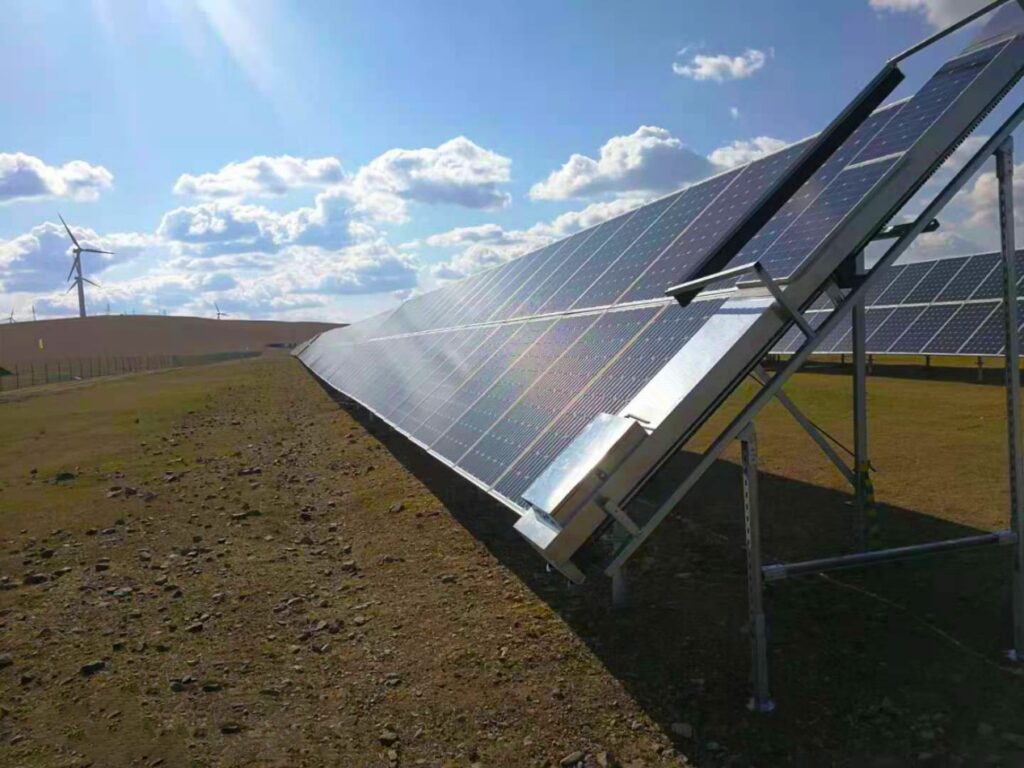
1. 눈에 띄지 않는 “도둑”: 간과되기 쉬운 태양광 전력 손실
먼지 축적 – 발전 효율의 최대 적
- 확실한 데이터: 5%의 먼지 부착은 발전량을 최대 20%까지 감소시킬 수 있습니다(NREL 연구소, 2023). 그 원인은 다음과 같습니다:
- 시야 방해: 먼지는 햇빛을 산란시켜 빛의 투과율을 낮춥니다.
- 핫스팟 효과: 표면의 이물질로 인해 온도가 80°C를 초과하게 되어, 노화가 가속화되고 심지어 화재까지 발생할 수 있습니다.
여러 오염원의 시너지 효과로 인한 피해
| 오염물질 종류 | 피해 발생 메커니즘 | 전형적인 손상 주기 |
|---|---|---|
| 새 배설물/나무 수액 | EVA 적층재의 산 부식 | 3개월 만에 박리 현상 발생 |
| 산업용 분진 | 단단하게 굳은 층을 형성한다 | 6개월 만에 15%의 효율 저하 |
| 모래폭풍 | 유리 표면을 긁는다 | 폭풍당 5% 손실 |
경제적 손실 산정 공식: 전력 손실 = 직접적인 금전적 손실
연간 손실 = 설치 용량 (MW) × 지역 일조 시간 × 전기 요금 (위안/kWh) × 손실률
*예시: 중국 동부 10MW 발전소 (연간 일조량 1,200시간, 가격 0.8위안/kWh)*
*손실률이 25%인 경우 → 연간 손실 = 10 × 1200 × 0.8 × 25% = 240만 위안.*
2. 해결책: 태양광 패널 청소 로봇 기술 이해하기
정의와 발전
태양광 전용 청소 로봇은 무인 운영 단말기 AI 비전 시스템, 환경 센서 및 적응형 청소 모듈을 탑재했으며, 2024년에는 전 세계 설치량이 67% 증가할 것으로 예상된다(블룸버그NEF 보고서).
핵심 기술 매트릭스
| 모듈 | 기술 솔루션 | 적용 가능한 시나리오 |
|---|---|---|
| 동원 체계 | 자력 레일 항법/센티미터급 GPS | 평면 단축 추적식 발전소 |
| 세척 모듈 | 음압 흡입 브러시 + 미세 물 분무 | 경사 지붕 정원 |
| 에너지 관리 | 자가 충전형 태양광 발전 + 슈퍼커패시터 | 전력망이 미비한 지역 |
3. 5가지 핵심 강점: 로봇이 필연적인 선택인 이유는 무엇인가?
- 19%-34% 출력 증가: 사우디 네옴 발전소는 매월 로봇 청소를 실시함으로써 연간 생산량이 29% 증가했음을 보여주었습니다.
- 60% 운영 비용 절감:
비용 항목 수동 세척 기계 인간 단일 청소 비용 제곱미터당 2위안 0.4 위안/m² 보험료 고지대 근무 시 연 12만 위안 0위안 수자원 100L/MW 8L/MW - 100% 안전 위험 요인 제거: 고소 추락 및 전기 사고를 완전히 방지합니다(2024년 전 세계 태양광 발전소 운영 사고 중 78%가 청소 작업 중 발생한 사고였습니다).
- 부품 수명 3~5년 연장: 지속적인 압력 세척 기술은 EL 테스트에서 발견되는 숨겨진 균열과 불량률을 줄여줍니다(화웨이 스마트 태양광 패널 사례).
- 지능형 운영 허브:
- 원격 청소 경로 설정 (앱/웹)
- 비 감지기가 작동하면 자동으로 세척이 시작됩니다
- 발전 데이터 연계 분석
4. 최종 대결: 로봇 대 수동 청소 경제 모델
| 차원 | 청소 로봇 | 수동 세척 |
|---|---|---|
| 초기 투자 | 30,000위안/대 | 0 (아웃소싱 서비스) |
| 10년간 총 비용 | 약 120만 위안 | 약 450만 위안 |
| ROI 주기 | 14개월 (상업용) | 반품 불가 |
| 세대 증가 | +25% 연간 평균 | +8% (세척 후 1주일) |
ROI 계산 예시
로봇 구매 가격: 30,000위안
청소 비용 절감 및 발전량 증가로 인한 연간 절감액: 42만 위안
회수 기간 = 30,000 / 420,000 ≈ 0.71년
3년 차부터 연간 순이익이 증가합니다.
5. 고객 우려 사항 해결: 고객이 가장 궁금해하는 5가지 질문
Q1: 로봇이 부품을 손상시킬까요?
▶️ NASA 등급의 초미세 섬유 브러시(압력 <5N)를 사용하며, IEC61215 PID 방지 인증을 획득했습니다.
Q2: 복잡한 지형에서는 어떻게 대처하나요?
▶️ 최대 30° 경사면에서도 유연하게 작동하며, 부품 간 15cm의 틈새도 통과할 수 있습니다(제품 시연 영상 참조).
Q3: 사막에 위치한 발전소에서도 사용할 수 있나요?
▶️ 두바이 프로젝트 사례: 모래폭풍 모드는 매일 자동 세척 기능을 제공하며, 모래 여과 시스템을 통해 움직이는 부품을 보호합니다.
Q4: 유지보수 비용은 어느 정도인가요?
▶️ 분기마다 브러시 헤드만 교체하면 되며(비용 2,000위안 미만), 원격 고장 진단 서비스도 제공됩니다.
Q5: 이 제품이 제 발전소에 적합한지 어떻게 판단할 수 있나요?
▶️ ↓ 맞춤형 솔루션을 즉시 받아보세요 ↓
결론: 태양광 운영 3.0 시대에 주도권을 잡으십시오
발전소의 LCOE(균등화 발전 비용)가 경쟁의 핵심 요소로 부상함에 따라, 청소 로봇은 단순한 도구의 지위를 넘어, 수익을 보장하는 시스템으로 거듭났다. 이를 위해 다음과 같은 방법을 사용합니다:
- 연간 전력 손실 25% 이상 방지
- 운영비에서 60% 절감
- 수백만 달러 규모의 안전 사고 배상 책임 회피
운영상의 문제점을 수익 성장의 기회로 전환합니다.
행동 촉구: 스마트 청소 혁명을 시작하는 3단계
- 🔥 기간 한정 혜택: 선착순 20명의 컨설팅 고객님께는 무료로 제공됩니다 운영 효율성 평가 보고서 (정확한 ROI 평가 포함).
- 📥 다운로드 글로벌 태양광 패널 세정 기술 백서 → 로봇 선정에 있어 8가지 핵심 지표를 숙지하세요.
- 📞 엔지니어와 현장 조사 일정 잡기 → 견적 받기 무위험 체험 플랜.
“비용 증가가 아니라, 수익 손실을 막는 것이 중요합니다.” – 햇살 한 줄기 한 줄기가 여러분의 계좌에 수익으로 이어지길 바랍니다!