
مقدمة: إيرادات بملايين الدولارات ضاعت هباءً
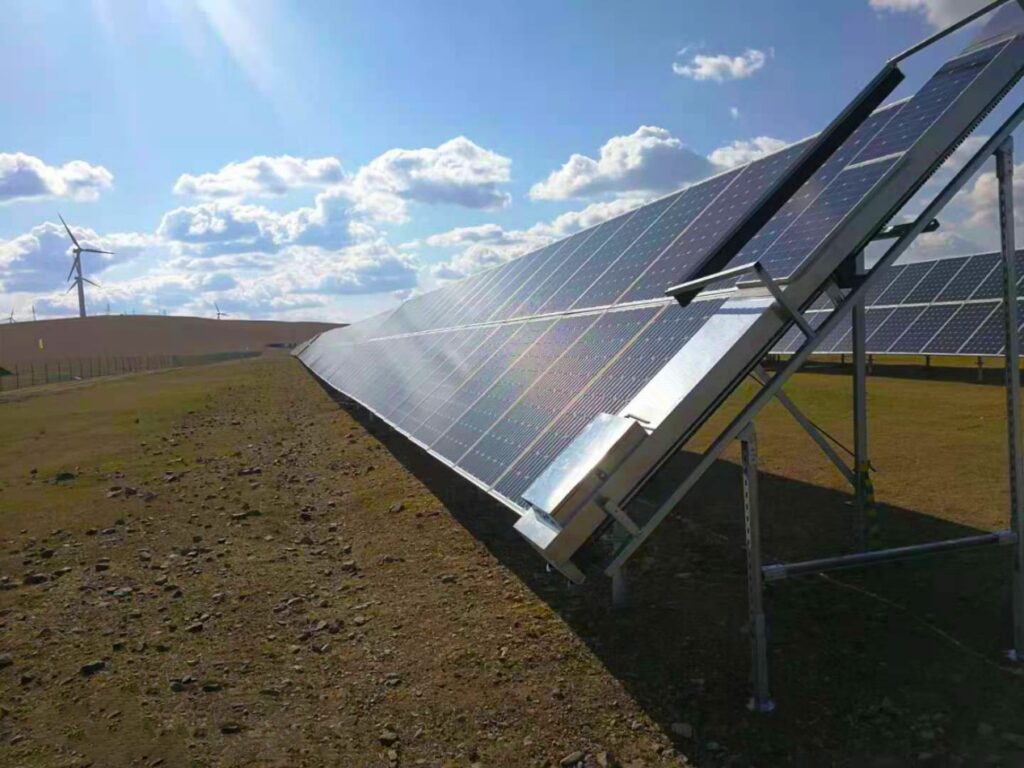
1. “اللص” الصامت: الفاقد من الطاقة الشمسية الذي يُهمل
تراكم الغبار – العدو الأول لكفاءة توليد الطاقة
- بيانات موثوقة: يمكن أن يؤدي تراكم الغبار بنسبة 51٪ إلى انخفاض في إنتاج الطاقة بنسبة تصل إلى 201٪ (مختبر NREL، 2023). وتشمل الآليات ما يلي:
- عائق بصري: يتسبب الغبار في تشتيت ضوء الشمس، مما يقلل من نفاذية الضوء.
- تأثير النقاط الساخنة: تؤدي الأتربة المحلية إلى ارتفاع درجات الحرارة إلى ما يزيد عن 80 درجة مئوية، مما يسرع من عملية التقادم بل ويؤدي إلى اندلاع الحرائق.
الأضرار التآزرية الناجمة عن مصادر التلوث المتعددة
| نوع الملوث | آلية الضرر | دورة التلف النموذجية |
|---|---|---|
| فضلات الطيور/عصارة الأشجار | التآكل الحمضي للرقائق المطلية بـ EVA | تفكك الطبقات خلال 3 أشهر |
| الغبار الصناعي | تشكل طبقة صلبة | انخفاض كفاءة 15% خلال 6 أشهر |
| العواصف الرملية | يخدش الأسطح الزجاجية | 5% الخسارة لكل عاصفة |
صيغة الخسارة الاقتصادية: الخسارة في الطاقة = الخسارة المالية المباشرة
الخسارة السنوية = السعة المركبة (ميغاواط) × ساعات سطوع الشمس المحلية × سعر الكهرباء (يوان/كيلوواط ساعة) × معدل الخسارة
*مثال: محطة توليد كهرباء بقدرة 10 ميجاوات في شرق الصين (ساعات سطوع الشمس السنوية 1200 ساعة، السعر 0.8 يوان/كيلوواط ساعة)*
*إذا كان معدل الخسارة هو 25% → الخسارة السنوية = 10 × 1200 × 0.8 × 25% = 2.4 مليون يوان.*
2. الحل: فهم تكنولوجيا روبوتات التنظيف بالطاقة الشمسية
التعريف والتطور
إن الروبوت المخصص لتنظيف الألواح الكهروضوئية هو محطة تشغيل آلية مزودة بأنظمة رؤية تعمل بالذكاء الاصطناعي، وأجهزة استشعار بيئية، ووحدات تنظيف قابلة للتكيف، مع توقع زيادة في عدد الوحدات المركبة على مستوى العالم بمقدار 67% بحلول عام 2024 (تقرير بلومبرغ إن إي إف).
مصفوفة التقنيات الأساسية
| وحدة | الحلول التقنية | السيناريوهات القابلة للتطبيق |
|---|---|---|
| نظام التعبئة | الملاحة بالسكك الحديدية المغناطيسية/نظام تحديد المواقع العالمي (GPS) بدقة تصل إلى السنتيمتر | محطات التتبع أحادية المحور المسطحة |
| وحدة التنظيف | فرش الشفط بالضغط السلبي + رذاذ الماء الدقيق | المصانع المقامة على أسطح مائلة |
| إدارة الطاقة | الخلايا الكهروضوئية ذاتية الشحن + المكثفات الفائقة | المناطق التي لا تغطيها شبكة الكهرباء |
3. خمس مزايا أساسية: لماذا تُعد الروبوتات الخيار الحتمي؟
- 19%-34% زيادة في الطاقة الناتجة: أظهرت محطة "نيوم" السعودية أن التنظيف الآلي الشهري يزيد الإنتاج السنوي بمقدار 291 طنًا.
- 60% خفض التكاليف التشغيلية:
بند التكلفة التنظيف اليدوي روبوت تكلفة التنظيف الفردية 2 يوان/متر مربع 0.4 يوان/م² رسوم التأمين 120,000 يوان سنويًا للعمل في المرتفعات 0 يوان الموارد المائية 100 لتر/ميغاواط 8 لتر/متر مربع - 100% القضاء على المخاطر المتعلقة بالسلامة: يمنع تمامًا حوادث السقوط من ارتفاعات عالية والحوادث الكهربائية (78% من حوادث تشغيل محطات الطاقة الشمسية على مستوى العالم في عام 2024 كانت ناجمة عن عمليات التنظيف).
- تمديد عمر المكونات لمدة 3-5 سنوات: تقلل تقنية التنظيف بالضغط المستمر من الشقوق الخفية ومعدلات الفشل في اختبارات EL (حالة الألواح الكهروضوئية الذكية من هواوي).
- مركز التشغيل الذكي:
- ضبط مسار التنظيف عن بُعد (التطبيق/الويب)
- تقوم مستشعرات المطر بتشغيل عملية التنظيف تلقائيًا
- التحليل المرتبط ببيانات توليد الطاقة
4. المواجهة الحاسمة: الروبوتات مقابل النموذج الاقتصادي للتنظيف اليدوي
| البعد | روبوت التنظيف | التنظيف اليدوي |
|---|---|---|
| الاستثمار الأولي | 30,000 يوان للوحدة | 0 (خدمات الاستعانة بمصادر خارجية) |
| التكلفة الإجمالية على مدى 10 سنوات | حوالي 1.2 مليون يوان | حوالي 4.5 مليون يوان |
| دورة العائد على الاستثمار | 14 شهراً (تجاري) | لا يمكن الإرجاع |
| زيادة عدد المواليد | +25% المتوسط السنوي | +8% (بعد أسبوع من التنظيف) |
مثال على حساب العائد على الاستثمار
سعر شراء الروبوت: 30,000 يوان
الوفورات السنوية الناتجة عن تحسين كفاءة التنظيف وتوليد الطاقة: 420,000 يوان
فترة الاسترداد = 30,000 / 420,000 ≈ 0.71 سنة
ابتداءً من السنة الثالثة، تبدأ الأرباح الصافية السنوية في الارتفاع.
5. معالجة المخاوف: 5 أسئلة تهم معظم العملاء
السؤال 1: هل سيتسبب الروبوت في تلف المكونات؟
▶️ يستخدم شعيرات من ألياف فائقة النعومة بمواصفات ناسا (ضغط <5 نيوتن) ويحمل شهادة IEC61215 لمقاومة تدهور الأداء (PID).
السؤال الثاني: كيف يتعامل مع التضاريس المعقدة؟
▶️ يمكنه العمل بشكل مرن على منحدرات تصل إلى 30 درجة، كما يمكنه عبور فجوات يصل عرضها إلى 15 سم بين المكونات (انظر فيديو العرض التوضيحي للمنتج).
السؤال 3: هل يمكن استخدامها في محطات توليد الطاقة الصحراوية؟
▶️ حالة مشروع دبي: يتيح وضع العاصفة الرملية التنظيف التلقائي اليومي، مما يحمي الأجزاء المتحركة من خلال نظام ترشيح الرمل.
السؤال الرابع: ما مقدار تكاليف الصيانة؟
▶️ لا يتطلب سوى استبدال رأس الفرشاة كل ثلاثة أشهر (بتكلفة أقل من 2000 يوان)، مع توفير خدمة تشخيص الأعطال عن بُعد.
السؤال 5: كيف يمكنني تقييم مدى ملاءمة هذا النظام لمحطة توليد الكهرباء الخاصة بي؟
▶️ ↓ احصل على حل مخصص على الفور ↓
الخلاصة: اغتنام زمام المبادرة في عصر العمليات الكهروضوئية 3.0
مع تحول التكلفة المُعَدَّلة للطاقة (LCOE) لمحطات توليد الكهرباء إلى محور المنافسة،, لقد تجاوزت روبوتات التنظيف مجرد كونها أدوات، لتصبح أنظمة تضمن تحقيق عوائد. ويتم ذلك من خلال:
- الحد من فقدان الطاقة السنوي الذي يتجاوز 25%
- توفير مبلغ 60% في النفقات التشغيلية
- تجنب تحمل مسؤوليات مالية بملايين الدولارات جراء حوادث السلامة
تحويل نقاط الضعف التشغيلية إلى نقاط نمو في الأرباح.
دعوة للعمل: ثلاث خطوات لبدء ثورة التنظيف الذكي
- 🔥 عرض لفترة محدودة: سيحصل أول 20 عميلًا من عملاء الاستشارات على تقرير تقييم الفعالية التشغيلية (بما في ذلك تقييم دقيق لعائد الاستثمار).
- 📥 قم بتنزيل ورقة بيضاء حول تكنولوجيا تنظيف الألواح الكهروضوئية على الصعيد العالمي → تعرف على المؤشرات الثمانية الأساسية لاختيار الروبوت.
- 📞 حدد موعدًا لإجراء مسح ميداني مع أحد المهندسين → احصل على خطة تجربة بدون مخاطر.
“الأمر لا يتعلق بزيادة التكاليف، بل بوقف خسارة الأرباح.” – فلتتحول كل شعاع من أشعة الشمس إلى عائد في حسابك!