
Efficiency and Cost Savings
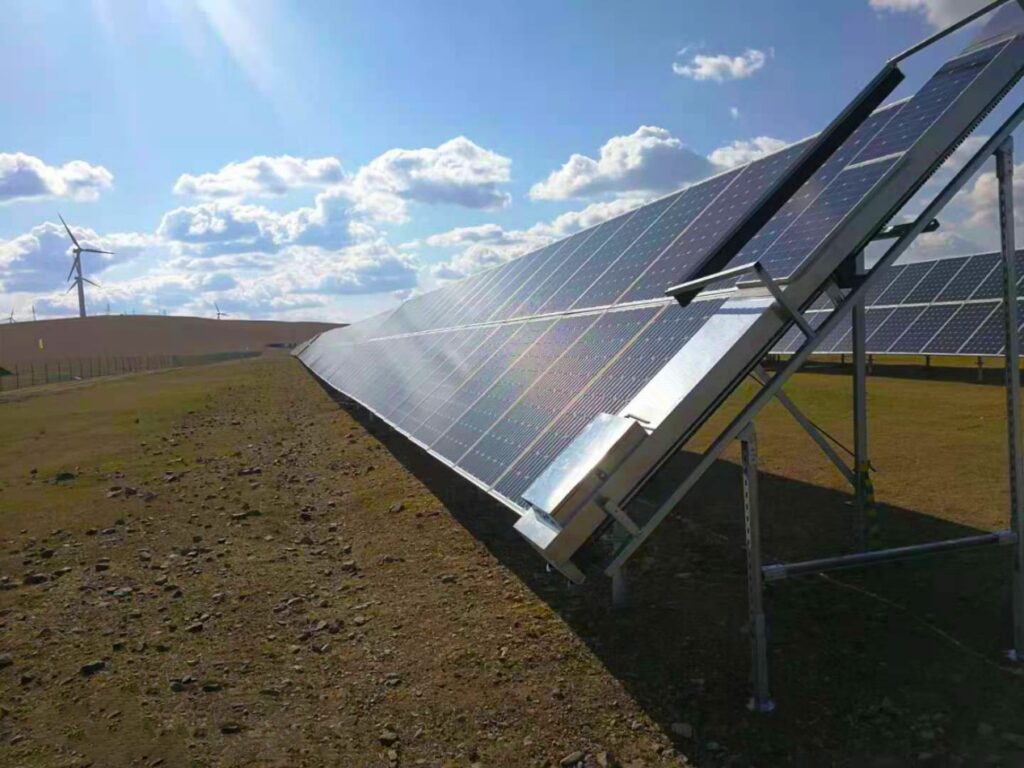
The robot features spiral PA610 nylon brushes and adjustable speeds of 60–120 RPM, ensuring 99% cleaning efficiency while safeguarding panels against scratches. Its IP65 protection rating and operational range of -30°C to 70°C make it ideal for the hot, humid conditions prevalent in Thailand.
Safety and Environmental Impact
Manual cleaning in Thailand poses significant safety risks, including high-altitude hazards, potential electric shock, and the possibility of panel damage caused by footsteps leading to microcracks. Todos mitigates these dangers through unmanned operation and advanced dry cleaning technology, which is essential in water-scarce regions like Thailand’s northeast.
The robot features a self-cleaning program that extends brush life. With a 24V/16Ah battery and a 55W solar panel, the robot operates autonomously, returning automatically when battery levels are low. For large-scale farms, the cleaning distance of 1600–3000 meters and a walking speed of 12m/min ensure efficient and thorough coverage.
Smart Management for Thai Operators
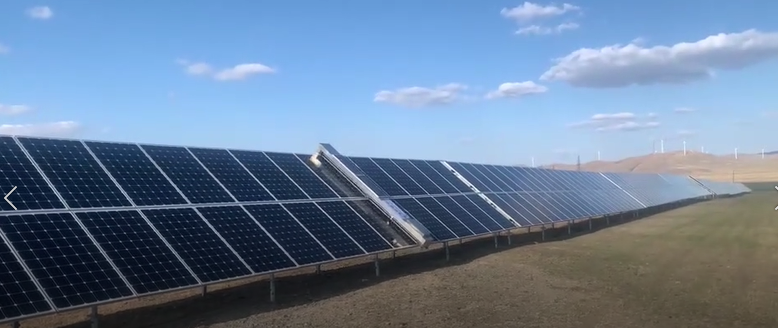
Todos comes equipped with 4G connectivity and ultrasonic sensors, providing real-time monitoring through an app or cloud platform. Its intelligent scheduling adapts to Thailand’s weather patterns, automatically adjusting cleaning frequency for dry or monsoon seasons. Additionally, the system generates detailed work reports and allows for remote fault diagnosis, backed by Todos’ local Thai after-sales team.
For maintenance companies, the lightweight (15kg) remote-controlled model offers flexible dry or wet cleaning options, achieving a cleaning efficiency of 1000m²/h and a working angle of 0°–25°—ideal for Thailand’s diverse installation configurations.
Conclusion: Invest in the Future
As Thailand aims for 30% renewable energy by 2037, the Todos Solar Panel Cleaning Robot presents a transformative solution: increasing power output by 10–65% while reducing costs and environmental impact. Will your solar farm continue to lose revenue to dust, or will you invest in a system that pays for itself within 2–3 years?


