
Driven by the carbon neutrality goals, distributed solar PV is becoming a crucial pillar of China’s energy transition. By the end of 2025, China’s distributed PV installed capacity surpassed 300 GW, spanning commercial rooftops, rural households, and public buildings. Compared with utility-scale plants, distributed PV faces unique challenges due to its smaller scale, dispersed layout, and complex operating environments. A scientifically designed, efficient, and intelligent O&M and cleaning system is essential to ensure safe, stable, and high-quality power generation throughout the lifecycle, directly impacting return on investment and asset value.
1. Distributed PV Plant O&M: From Reactive to Proactive Prevention
Operations and maintenance is not merely “repair after a failure.” It is a systematic engineering effort covering monitoring, inspection, maintenance, analysis, and management. The core goal is to maximize power generation, ensure system safety, and extend equipment life.
1.1 Build a multidimensional daily monitoring system
- Real-time data monitoring: Rely on SCADA or intelligent cloud platforms to monitor plant power output, voltage, current, irradiance, ambient temperature, and other key parameters 24/7. Any abnormal fluctuations may signal early-stage faults.
- Performance indicators (KPIs): Core metrics include system efficiency (PR), equivalent utilization hours, and actual utilization vs. capacity ratio. Regularly (e.g., monthly) compute and analyze these metrics, benchmark against design values, historical data, and peer plants to pinpoint performance gaps.
- Smart alarms and diagnostics: Advanced monitoring should bridge “alarm” and “diagnosis.” For example, not only reporting “string current zero,” but providing preliminary causes such as fuse blow, junction box fault, or partial shading.
1.2 Implement standardized periodic inspections and maintenance
- Inspection cadence: Baseline quarterly inspections, with increased frequency before/after extreme climates (dust storms, rainy seasons, winter). An annual or semi-annual deep check is recommended.
- Inspection scope:
- Module/components: Check for glass cracks or microcracks; inspect junction boxes for scorching or bulging; inspect encapsulants (EVA/POE) for yellowing or delamination.
- Electrical systems: Inspect DC combiner boxes, inverters operation, cooling fans, indicators; tighten cable joints to prevent heating from looseness and fire risk; measure insulation resistance of key circuits.
- Structures & safety: Check mounting hardware for corrosion or looseness; assess roof waterproofing; verify reliability of the lightning protection grounding.
- Maintenance strategy: Establish a combined preventive and corrective maintenance framework. Based on OEM recommendations and actual operating conditions, develop preventive maintenance plans such as inverter filter cleaning, fan replacement, and bolt tightening.
1.3 Build an efficient fault-handling and asset-management loop
- Standardized fault-handling process: From monitoring alerts to work orders, on-site inspection, fault repair, and result feedback, forming a digital closed loop. A mobile O&M app enables on-site photo capture, document lookup, plan confirmation, and work-hour recording, greatly improving efficiency.
- Lifecycle asset records: Create electronic archives for each plant and key equipment, recording procurement, installation, inspections, maintenance, and fault replacements. This supports reliability analysis, residual value assessment, and future technology upgrades or asset transactions.
2. PV Module Cleaning: An Essential Guard for Power Output
Dust, snow, bird droppings, pollen, and other contaminants accumulating on module surfaces cause shading, reducing output power and potentially aggravating hot spots, leading to long-term damage. Studies show that in severely polluted areas, neglecting cleaning can lead to annual energy loss exceeding 8%.
2.1 Develop a data-driven cleaning strategy
- Cleaning frequency: There is no universal standard; tailor to local conditions. Key factors include:
- Local environment: Industrial pollution zones, arid windy regions, areas with heavy bird droppings—shorter cleaning intervals.
- Rainfall: Rain provides some natural cleaning, but in dry areas, rain plus dust can form mud that is difficult to remove.
- Tilt angle: Flat roofs with shallow angles accumulate more debris; steeper roofs shed dirt more easily with rain.
- Economics: The core principle is that the power gains from cleaning should exceed cleaning costs. Use monitoring data to compare pre- and post-cleaning power improvements for ROI analysis.
- Best cleaning timing: Schedule cleaning in the early morning, late afternoon, or on cloudy days to avoid high temperatures and intense light. Lower panel temperatures reduce thermal stress from cold-water washing and prevent water stains from rapid evaporation after cleaning.
2.2 Apply proper cleaning methods and safety considerations
- Manual cleaning: The most common method—use a soft sponge or mop with deionized or purified water. For heavy mineral buildup, apply a neutral dedicated cleaner. Avoid hard brushes, abrasive cleaners, or high-pressure water jets that can scratch glass or damage anti-reflective coatings.
- Mobile cleaning equipment: Suitable for large commercial/industrial rooftops—vehicle-mounted or walk-behind cleaning machines to boost efficiency.
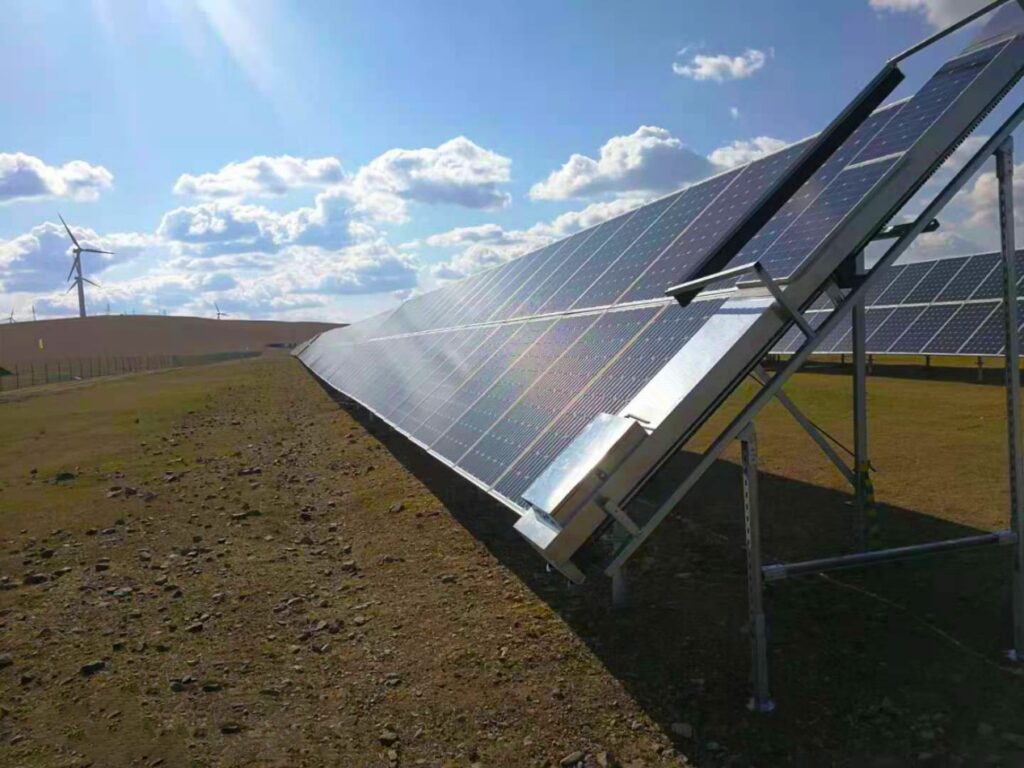
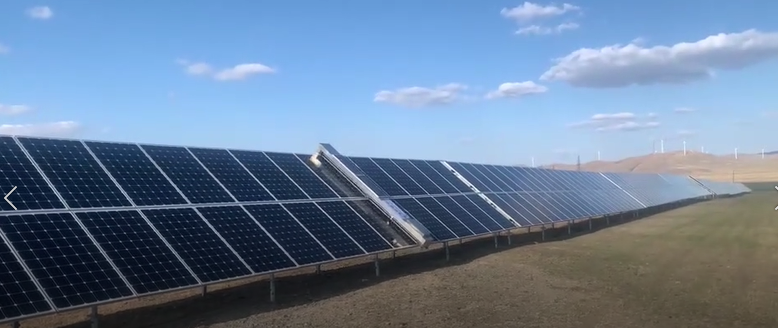
- Automated cleaning robots: Ideal for large flat roofs or ground-mounted systems, enabling periodic unattended cleaning. Initial investment is higher, but long-term O&M costs are lower.
- Safety and quality red lines:
- Safety first: ensure the plant is fully de-energized before cleaning and implement fall protection.
- Water quality: prioritize deionized water to prevent mineral build-up that can degrade transparency over time.
- Comprehensive checks: perform visual inspections during cleaning to promptly identify and document any coating or component defects.
3. Intelligent Upgrades: A Todos Smart O&M Platform Case Study
Facing a large number of distributed plants, dispersed sites, and a shortage of skilled maintenance personnel, traditional manual operations are increasingly unsustainable. There is a market demand for integrated smart solutions that cover monitoring, analysis, management, and optimization. For example, the Todos Smart Energy O&M Cloud Platform is designed to meet these needs, leveraging technology to redefine maintenance standards for distributed PV.
3.1 All-site integrated smart monitoring—uncovering hidden hazards
The Todos platform seamlessly connects various inverter brands, meters, and environmental sensors to achieve unified data collection and visualization across sites. Its distinctive smart alarm engine detects not only threshold breaches but also deeper issues such as “string performance deterioration” and “inverter nighttime power anomalies,” enabling a shift from passive response to proactive warning. Operators can monitor plant health via a mobile app, drastically shortening fault-detection times.
3.2 Data-driven precise cleaning decisions
In the cleaning domain, Todos offers scientific decision tools. By analyzing historical generation data, local weather information (precipitation, wind speed, dust index), and cross-string comparisons, it can intelligently recommend optimal cleaning times and priorities. For example, the platform may auto-generate reports like: “Building A, String 3 near campus road shows a 15% faster performance decline than peers; cleaning should be prioritized.” This ensures cleaning resources are allocated where they yield the most return.
3.3 Digital workflows and lean asset management
The platform digitalizes fault tickets, inspection plans, spare parts inventory, and workforce performance. From automatic work-order assignment to field engineers performing standardized operations using on-site QR codes, and customer electronic signatures and satisfaction assessments, it creates a complete closed loop. It also builds a dynamic digital twin asset archive for each plant, recording equipment details and operating data to support performance assessment, insurance claims, and asset transactions.
3.4 Empowering third-party O&M providers and raising industry standards
For many small and medium O&M service providers, platforms like Todos lower technical barriers. Standardized toolkits and data analytics help providers quickly improve professional capabilities, deliver transparent and efficient O&M reports, gain a competitive edge, and promote standardization and professionalism in the distributed PV aftermarket.
Conclusion
Distributed PV plant O&M and cleaning require a long-term integration of technology, management, experience, and intelligent tools. It is no longer merely a cost center but a key driver for asset preservation, value growth, and energy investment returns. With IoT, big data, and AI penetrating deeper, intelligent solutions like the Todos Smart Energy O&M Platform are becoming standard for cost reduction and efficiency gains in the industry. In the future, distributed PV operations will be more precise, transparent, and intelligent, laying a stronger foundation for a modern power system.


